
Buying a Waterfront Home in Southern Maryland: What to Know Before You Buy
From water depth and piers to shoreline condition, flood risk and Maryland’s Critical Area, the right questions can make all the difference when buying on the water.
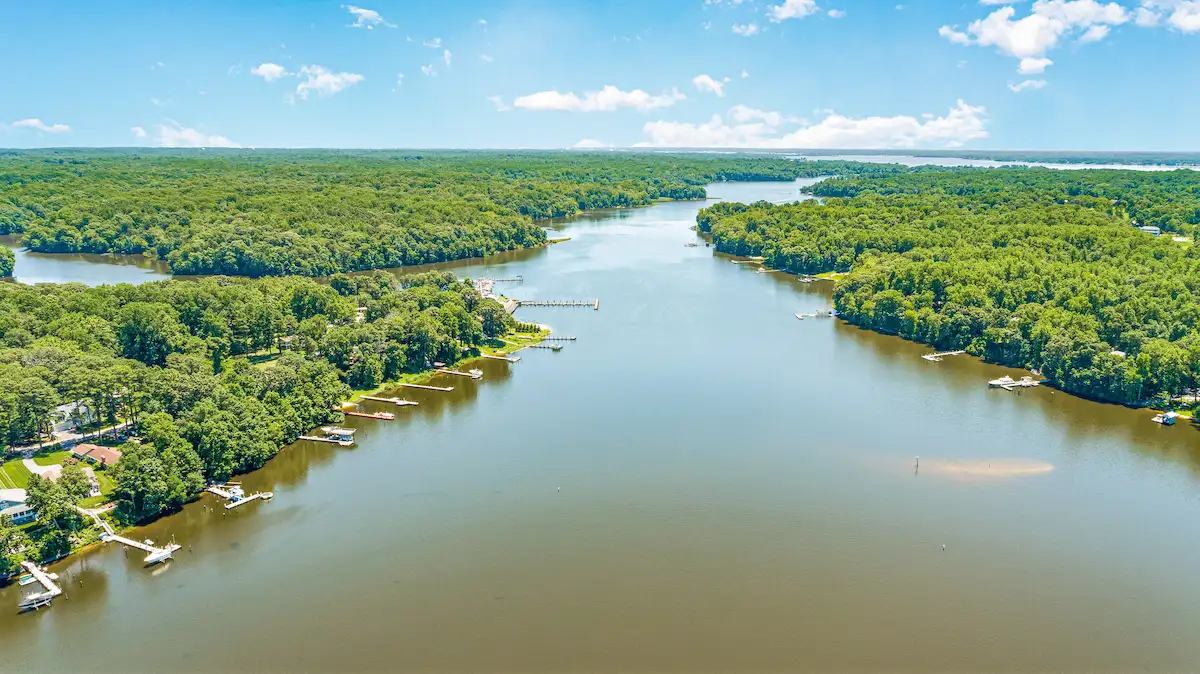
There is something different about living on the water in Southern Maryland.
Morning coffee overlooking the Chesapeake Bay. An afternoon on the Patuxent River. Launching a kayak from your backyard. Taking the boat out for dinner. Watching the sun set across a quiet creek or cove.
But buying a waterfront home is also different from buying a typical home.
The view may be what first gets your attention, but water depth, shoreline condition, flood exposure, pier rights, septic systems, permitting and how you actually plan to use the water can matter just as much as the house itself.
Southern Maryland offers an extraordinary variety of waterfront properties across Calvert, St. Mary’s and Charles Counties. The key is understanding what you’re buying—not simply whether the listing says “waterfront.”
At The Mark Frisco Team, we help buyers evaluate the property, the location and the waterfront lifestyle together.
Start With How You Want to Use the Water
Before looking at houses, answer a more important question:
What do you want to do once you live there?
A buyer looking for expansive Chesapeake Bay views may want something very different from someone who plans to keep a boat behind the house.
Think about your priorities:
- Do you own a boat—or plan to?
- Do you want protected water or wide-open views?
- Is kayaking or paddleboarding important?
- Do you want a private pier?
- Are you looking for a beach?
- Do you want to swim from the property?
- Is fishing a priority?
- Do you care about quick access to larger waterways?
- Or is the goal simply privacy, scenery and life on the water?
There isn’t one “best” type of waterfront in Southern Maryland.
There is a best type of waterfront for the way you want to live.

Bay, River, Creek or Cove? They Aren’t the Same Experience
Southern Maryland sits between the Chesapeake Bay and the Potomac River, with the Patuxent River running through the region and countless creeks, coves and tributaries creating miles of shoreline.
That variety is one of the area’s greatest advantages.
Chesapeake Bay waterfront can provide dramatic open-water views and an incredible sense of space. It can also mean greater exposure to wind, waves and weather.
Riverfront property can offer substantial water views and boating opportunities while providing a different setting depending on where the property sits along the river.
Creeks and coves can offer more protected water, privacy and calmer conditions. For some boaters, that protection is exactly what they’re looking for.
The important point is that two homes can both be advertised as “waterfront” and provide completely different experiences.
Don’t buy the label. Buy the waterfront that fits your lifestyle.
If You Own a Boat, Water Depth Matters
A beautiful shoreline doesn’t automatically make a property suitable for your boat.
If boating is part of the reason you’re buying waterfront, investigate the water—not just the house.
Important questions can include:
- What is the approximate water depth at the pier?
- How does depth change with the tide?
- Is there adequate depth along the route to deeper water?
- Is the water navigable for your particular boat?
- Is the existing pier suitable for your intended use?
- Is there a boat lift, and if so, what is its capacity and condition?
- Are there known shoaling or access issues?
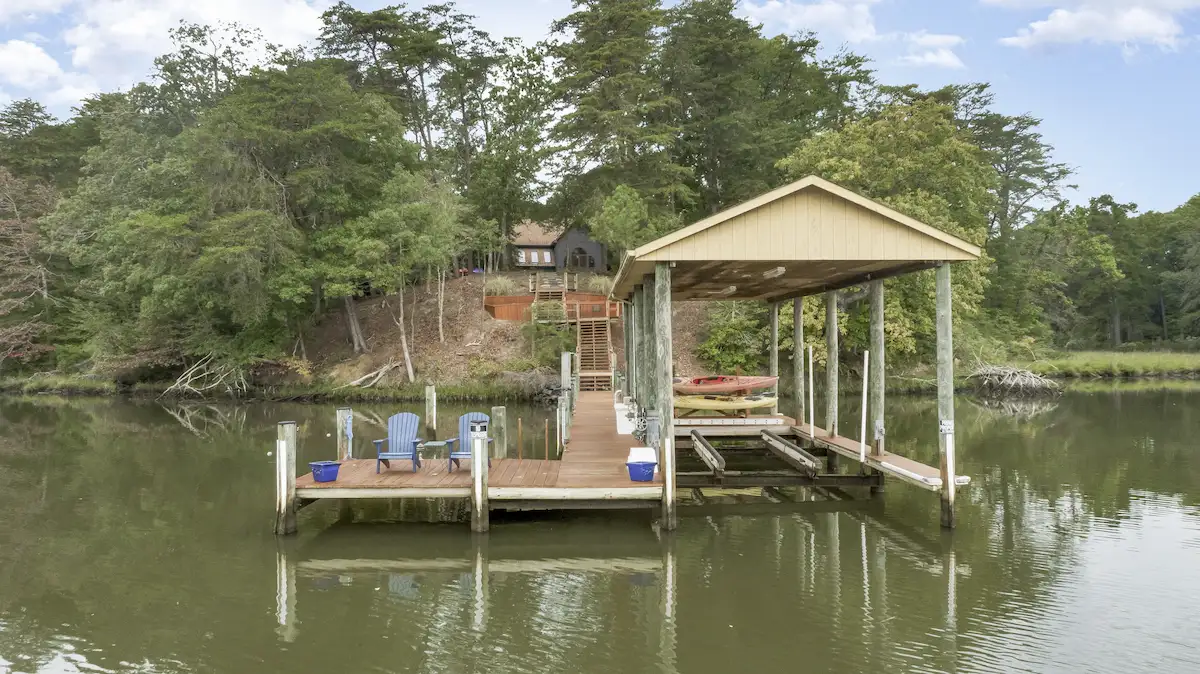
A property can have hundreds of feet of waterfront and still not work for the type of boating you have in mind.
Conversely, a home with less shoreline but good protected water and reliable access may be a much better fit.
For serious boaters, usable water can be more important than waterfront footage.
Waterfront Terms to Know
Waterfront listings can include terms you don’t see in a typical home search. Understanding a few of them can make it easier to compare properties and ask better questions.
- Mean Low Water (MLW)
- A reference point based on average low-water levels over time. You may see water depth described as something like “4 feet MLW.” For boaters, this is more useful than simply hearing that a property has “deep water,” but buyers should still verify current conditions and suitability for their specific boat.
- Riprap / Revetment
- Rock or other durable material placed along a shoreline to help protect it from erosion and wave action. A revetment is a type of shoreline stabilization system; riprap is commonly used as part of one.
- Bulkhead
- A more vertical shoreline-retaining structure designed to help hold back soil and protect the land at the water’s edge. Existing bulkheads should be evaluated for condition, because repair or replacement can become a significant waterfront maintenance consideration.
- Living Shoreline
- A shoreline-stabilization approach that uses natural elements such as native plants, sand, stone and other materials to reduce erosion while maintaining or improving shoreline habitat. Maryland promotes living shorelines as a preferred approach in many situations, although the appropriate solution depends on the individual site and proposed work.
- Chesapeake Bay Critical Area
- In Maryland, the Critical Area generally includes land within 1,000 feet of tidal waters and tidal wetlands. Properties within it can be subject to additional land-use, vegetation and development requirements.
- Critical Area Buffer
- A protected area adjacent to tidal waters, tidal wetlands and tributary streams. Maryland identifies a minimum 100-foot Buffer, although it can be wider depending on site conditions and applicable requirements.
- Waterfront vs. Water Access
- Waterfront generally means the property itself borders the water. Water access may mean a homeowner has rights to use a community beach, boat ramp, pier or another shared access point without personally owning shoreline.
- Navigable Water
- For a waterfront buyer, this isn’t just about whether boats can technically use a waterway. The practical question is whether the route from the property provides adequate depth and clearance for your particular boat and intended use.
Never Assume You Can Build or Expand a Pier
An existing pier can be a major asset—but buyers should understand exactly what exists and what approvals may apply before assuming they can replace, enlarge or substantially modify it.
Likewise, an empty shoreline should not automatically be interpreted as a future pier location.
Maryland regulates work in tidal waters and wetlands, and local requirements can also apply. Calvert, St. Mary’s and Charles Counties each have processes that may affect waterfront improvements.
That means a buyer considering a property because they plan to add a pier, lift or other waterfront improvement should investigate feasibility before making that future improvement central to the purchase decision.
Depending on the property and proposed work, that may mean consulting the appropriate county, Maryland Department of the Environment and/or other permitting authorities.
The safest approach is simple:
Verify first. Assume nothing.
Understand Maryland’s Chesapeake Bay Critical Area
Much of Southern Maryland’s waterfront property lies within Maryland’s Chesapeake Bay Critical Area.
Maryland defines the Critical Area generally as land within 1,000 feet of tidal waters and tidal wetlands. Within that area, additional land-use and environmental requirements can affect development and improvements.
One particularly important consideration is the Critical Area Buffer. Maryland describes a minimum 100-foot Buffer adjacent to tidal waters, tidal wetlands and tributary streams, although the Buffer can be expanded depending on property conditions and applicable requirements.
Why does this matter to a buyer?
Because plans that seem straightforward—an addition, expanded outdoor living area, clearing vegetation or another improvement—may require additional review on waterfront property.
Maryland’s Critical Area Commission specifically advises prospective buyers to contact the local planning office to understand how Critical Area requirements affect a particular property.
So if future improvements are important to your purchase, investigate them before assuming they’re possible.
Look Beyond the View and Inspect the Shoreline
When you walk a waterfront property, it’s easy to spend your time looking outward.
Spend some time looking down, too.
The condition of the shoreline matters.
Look for signs of:
- erosion
- exposed soil or roots
- failing shoreline structures
- drainage problems
- damaged bulkheads or revetments
- deterioration around an existing pier
- areas where waves or runoff appear to be affecting the property
Maryland encourages living-shoreline approaches in many situations, and shoreline stabilization work can involve state, federal and local review or permitting.
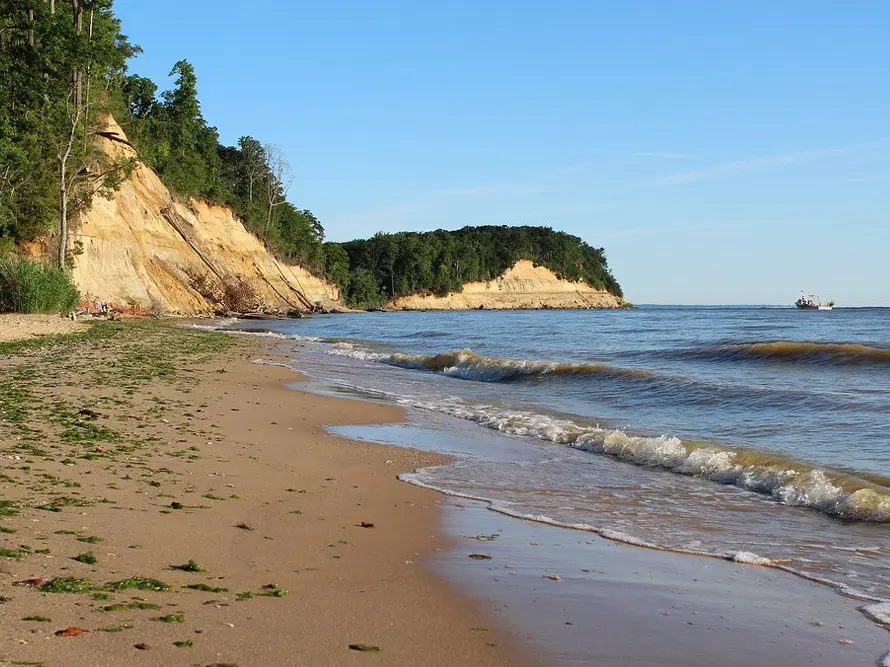
That doesn’t mean shoreline work should scare you away from a property.
It means the shoreline should be evaluated as part of the property—not treated as scenery outside the inspection.
Investigate Flood Risk and Insurance Early
Waterfront buyers should understand a property’s flood exposure before they’re deep into the transaction.
A property’s proximity to water does not by itself tell you its exact flood risk, and two nearby waterfront homes can have different elevations or flood-zone designations.
Before purchasing, buyers should investigate the property’s current flood-zone information and discuss insurance requirements and costs with a qualified insurance professional.
If financing is involved, the lender may also have flood-insurance requirements based on the property and applicable flood-zone determination.
Don’t wait until the end of the transaction to ask.
Flood risk and insurance belong in the early waterfront due-diligence conversation.
Pay Attention to Well and Septic Systems
Many Southern Maryland waterfront homes are not served by public water and sewer.
That makes well and septic information particularly important.
Beyond understanding the current systems, consider your future plans.
If you’re imagining a major addition, additional bedrooms, a pool, guest space or significant renovation, existing site conditions and septic capacity may matter.
Questions worth investigating can include:
- What type of septic system serves the property?
- Where is the septic area?
- What is the approved bedroom capacity?
- Are there maintenance records?
- Where is the well located?
- Has the water quality been tested?
- Could your planned improvements affect either system?
The right questions depend on the individual property, which is another reason waterfront due diligence should be property-specific.
Inspect for the Realities of Waterfront Exposure
Waterfront living is beautiful, but homes near the water can experience environmental exposure differently than inland properties.
A normal home inspection is still essential, but buyers may also want to pay particular attention to conditions associated with moisture, wind, drainage and exterior exposure.
Depending on the property, that could include:
- foundation and crawlspace conditions
- grading and drainage
- exterior materials
- decks and railings
- windows and doors
- moisture intrusion
- piers, pilings and waterfront structures
- shoreline improvements
A waterfront home should be evaluated as an entire system: house, land, shoreline and water access.
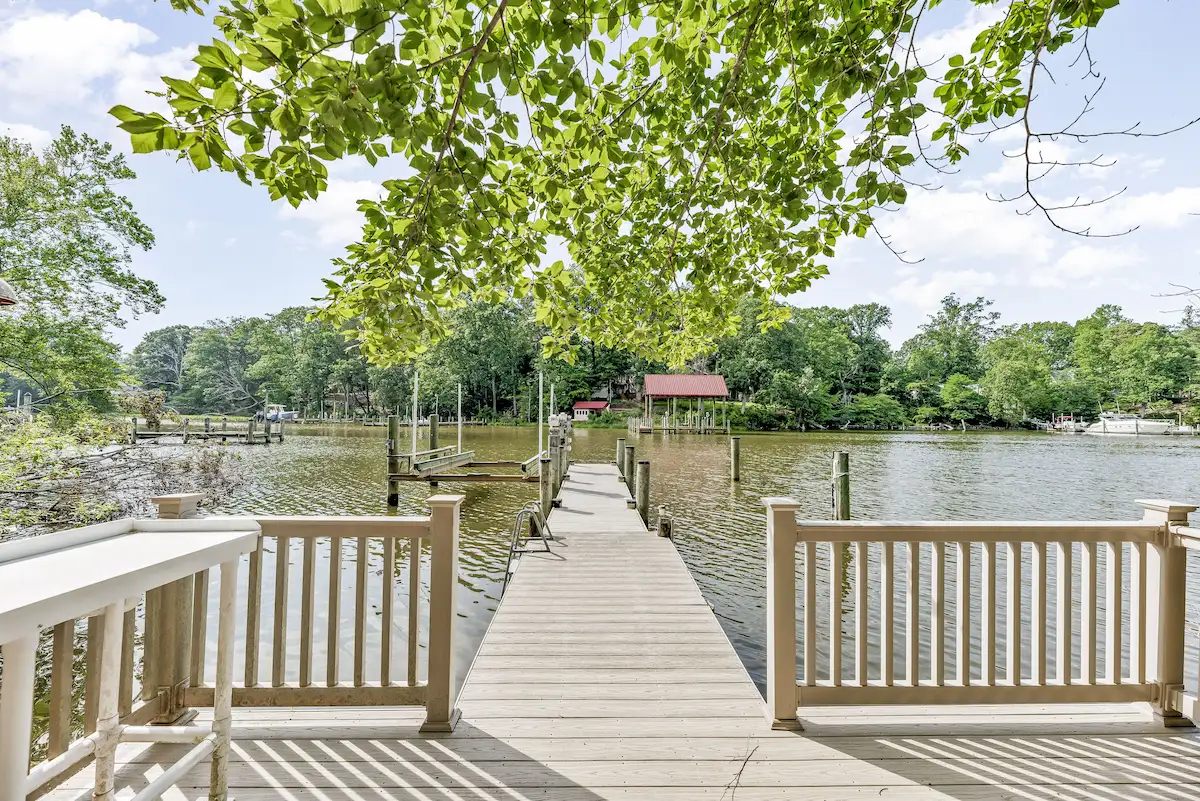
Understand What “Waterfront” Actually Means
Real estate terminology can sound similar while describing very different things.
Waterfront generally means the property itself borders the water.
Water view means you may have a view of the water without owning shoreline.
Water access may mean the property has access through a community amenity, easement, shared pier, boat ramp, beach or another arrangement.
Those distinctions matter.
For properties with community or shared waterfront amenities, buyers should determine exactly what rights convey with the property and whether there are association rules, fees, restrictions or waiting lists associated with their use.
The goal isn’t simply to see water in the listing photos.
It’s to understand what you’re actually buying and what rights come with it.
Choosing Where to Buy in Southern Maryland
One of the advantages of buying waterfront in Southern Maryland is the variety within a relatively compact region.
Calvert County
With the Chesapeake Bay along one side and the Patuxent River along the other, Calvert County offers everything from expansive Bay views to river, creek and cove settings.
Communities throughout Lusby, Solomons, St. Leonard and other parts of the county can offer very different waterfront experiences.
Explore Calvert CountySt. Mary’s County
St. Mary’s County is surrounded by water, with the Patuxent River, Potomac River, Chesapeake Bay and numerous tributaries creating extensive waterfront opportunities.
The county can be particularly appealing to buyers who want waterfront living while remaining connected to the NAS Patuxent River area and the broader Lexington Park/California employment corridor.
Explore St. Mary’s CountyCharles County
Charles County’s Potomac River shoreline and network of creeks and tributaries offer another side of Southern Maryland waterfront living, including settings that can feel surprisingly private while remaining accessible to the Washington metropolitan region.
Explore Charles CountyThere isn’t a county we would automatically call “best.”
The better question is:
Which location gives you the combination of house, water, commute, boating access and lifestyle that matters most to you?
A Southern Maryland Waterfront Buyer’s Due-Diligence Checklist
Before moving forward on a waterfront home, make sure you’ve investigated the things that matter for that specific property.
The House
- Home inspection
- Roof, foundation and major systems
- Moisture and drainage
- Exterior exposure and maintenance
The Water
- Water depth
- Tidal conditions
- Navigability
- Access to larger waterways
- Suitability for your boat or intended activities
The Pier
- Existing condition
- Available documentation
- Lift condition/capacity, if applicable
- Feasibility of planned modifications
The Shoreline
- Erosion
- Existing stabilization
- Maintenance needs
- Potential permitting considerations
The Land
- Critical Area considerations
- Flood-zone information
- Drainage
- Well and septic
- Future improvement plans
The Rights
- Private vs. shared access
- Easements
- Community waterfront amenities
- HOA/community rules, where applicable
The Costs
- Insurance
- Pier and shoreline maintenance
- Well/septic maintenance
- Exterior maintenance
- HOA or community fees, if applicable
Not every item will apply to every property. That’s the point.
Good waterfront due diligence isn’t a generic checklist. It’s understanding which questions matter for the property you’re considering.
The Right Waterfront Home Starts With the Right Questions
Buying a waterfront home in Southern Maryland should be exciting.
And it can be—when you understand what you’re buying.
The best waterfront purchase isn’t necessarily the house with the longest pier, the widest view or the most shoreline.
It’s the property where the home, water, location and lifestyle work together for you.
The Mark Frisco Team helps buyers throughout Calvert, St. Mary’s and Charles Counties navigate Southern Maryland real estate, including waterfront properties along the Chesapeake Bay, Patuxent River, Potomac River and the region’s many creeks and coves.
Whether you’re moving across town, relocating to Southern Maryland or searching for the waterfront home you’ve always wanted, we’ll help you start with the right questions.
A note about waterfront due diligence: Regulations, permitting requirements, flood information and property conditions vary by location and individual property. Buyers should verify property-specific information with the appropriate county, state agency, insurance provider, inspectors and other qualified professionals as applicable.
- Maryland Critical Area Commission — Critical Area FAQs
- Maryland Department of the Environment — Protecting and Enhancing Your Shoreline
- Maryland Department of the Environment — Tidal Wetland Permits and Licenses
- Calvert County — Residential Piers
- St. Mary’s County — Development in State Waters and Tidal Wetlands
- Charles County — Chesapeake Bay Critical Area
- FEMA Flood Map Service Center